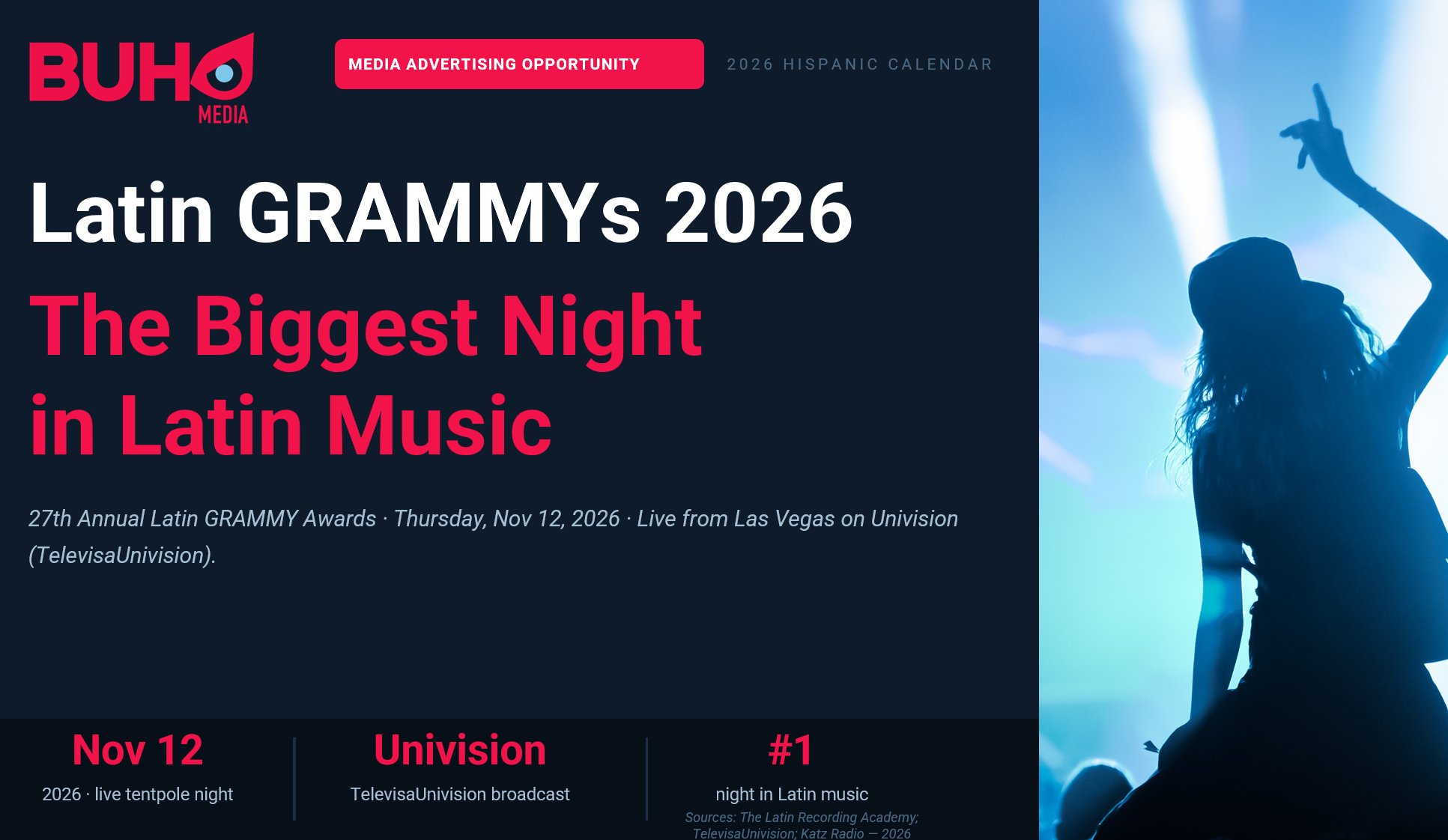
Every four years, brands start calling one month before the FIFA World Cup starts.
Two weeks before kickoff, budgets suddenly appear.
A few days before the opening match, marketers scramble to find sponsorships, ad inventory, branded content opportunities, influencer activations, and audience partnerships.
By then, the World Cup is already over.
Not for fans. For advertisers.
This is, in part, due to the perception that the World Cup is not as relevant as the Super Bowl for US customers.
- Super Bowl LX averaged 125.6 million viewers across NBC, Peacock, Telemundo, and NFL platforms.
- Bad Bunny's halftime show drew 128.2 million viewers, meaning the halftime performance (completely in Spanish) attracted more viewers than the game's average audience.
If you build it, they will come. But you must build it in a way that attracts a new customer base, on top of the one you already have.
The Super Bowl is a spike. The 2030 World Cup will be a season.
The biggest mistake brands make isn't choosing the wrong event. It's waiting too long to choose one at all.
The most successful event marketing campaigns aren't built weeks before kickoff. They're planned six months to a year in advance.
If your organization wants to maximize sponsorship opportunities, audience engagement, and media value in the 2030 World Cup, now is the time to start.
1. Plan Your 2030 World Cup Marketing Calendar Now
Great event marketing doesn't start with an event.
It starts with business goals.
What are you trying to accomplish next year?
- Brand awareness?
- Product launches?
- Community engagement?
- Lead generation?
- Hispanic audience growth?
- Retail sales?
Once those goals are clear, your event strategy becomes much easier.
The brands that win don't ask, "What's available?"
They ask, "What audience moments matter most to our business?"
2. Choose Your Audience First, Events Second
One of the most common mistakes marketers make is falling in love with an event before understanding who they're trying to reach.
The World Cup may be perfect for one brand and completely irrelevant for another.
Before evaluating sponsorship opportunities, define:
- Who is your ideal customer?
- What are they passionate about?
- What content do they consume?
- What communities do they belong to?
- What cultural moments matter to them?
Audience-first planning almost always produces stronger results than event-first planning.
3. Let the Event Fit the Brand, Not the Other Way Around
The best sponsorships feel natural.
A health brand may align perfectly with a marathon.
A family-focused retailer may benefit more from back-to-school initiatives than a sports tournament.
A Hispanic-focused brand may find stronger engagement opportunities in cultural festivals, music events, soccer, or community programs.
Instead of asking, "What events can we sponsor?" ask:
"What events naturally reinforce our brand story?"
That's where the magic happens.
4. The Best Inventory Is Sold Long Before You Call
Premium sponsorships don't stay available for long.
The best placements, integrations, custom content packages, influencer partnerships, hospitality opportunities, and branded experiences are often secured months before the public even hears about them.
Waiting until the last minute usually means paying more, settling for less, or missing the opportunity entirely.
Early planning creates leverage.
Late planning creates limitations.
5. Use Experts to Build the Right Event Strategy
You don't have to know every event happening in the world.
That's our job at Buho Media.
The smartest brands start with their audience and objectives, then work backward to identify the events, publishers, creators, and sponsorship opportunities that best align with their goals.
Sometimes it's the World Cup.
Sometimes it's a music festival.
Sometimes it's a niche industry conference.
Sometimes it's something you've never considered.
The point is simple:
Don't start by buying inventory, start by understanding your audience. Then build a calendar around the moments that matter most to them.
Because by the time you're asking about next month's big event, the opportunity has already passed.
The best event marketing campaigns for 2030 are being planned today. Contact us!